October 30, 2024 / Environment

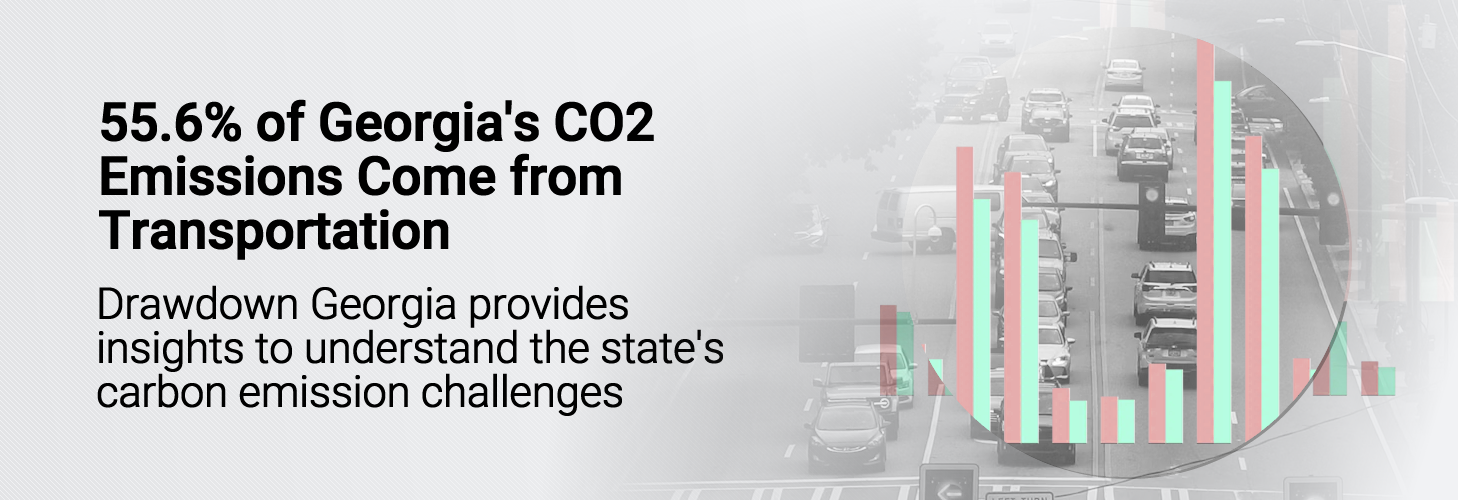
Understanding Georgia’s Carbon Emission ChallengesImage

Drawdown Georgia is an initiative leading the charge to make the state net zero in greenhouse gas emissions by 2030. This ambitious target aims to decrease emissions from 156 megatons to just 67 megatons through strategies such as expanding solar energy, promoting electric vehicles, enhancing public transportation, and reducing food waste.

On their research blog, the Atlanta Regional Commission (ARC) shared some key data insights about Georgia’s carbon footprint, according to Drawdown Georgia’s GHG Emission Tracker:

  • Georgia’s carbon dioxide emissions decreased from 55.6 million metric tons in 2022 to 50 million in 2023, translating to approximately 9,839 pounds per person.
  • Transportation’s share of total emissions rose sharply from 44.1% in 2013 to 55.6% in 2023, indicating increased vehicle usage and urban sprawl, while residential and commercial emissions declined.
  • The analysis reveals that the Atlanta metropolitan area is the primary source of emissions, driven by dense populations, industrial activities, and extensive transportation networks.
  • The reductions in residential (from 31.5% to 26.0%) and commercial emissions (from 24.4% to 18.4%) suggest progress in energy efficiency and sustainable building practices over the past decade.

Read the full blog post here.

May 20, 2024 / Basic Needs, Environment

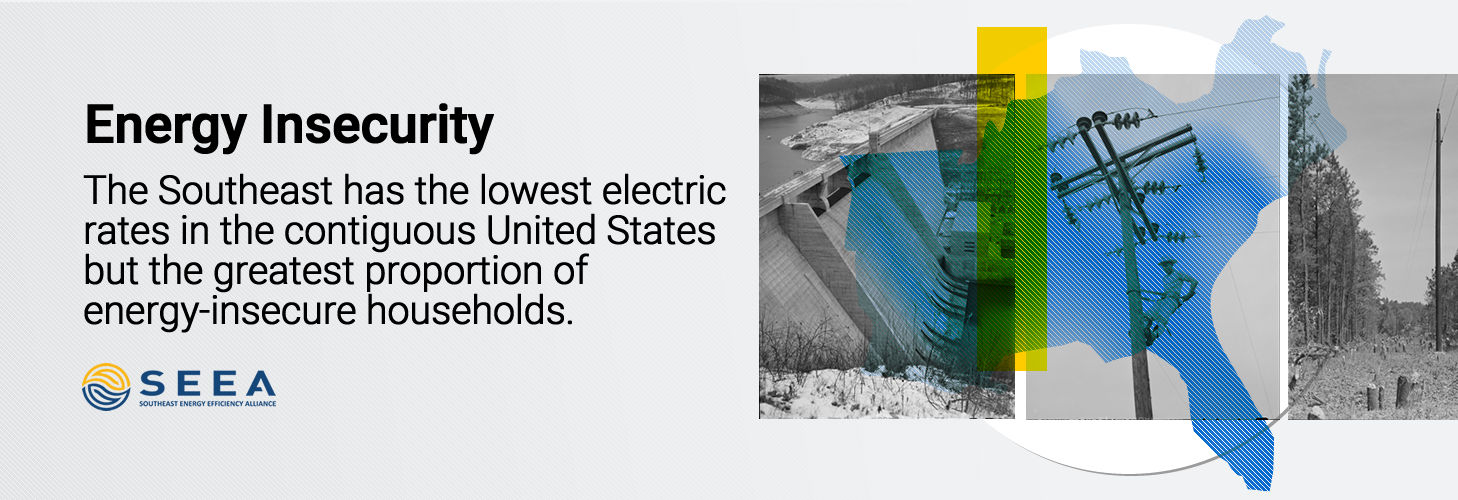
Energy insecurity disproportionately affects communities of color in the Southeast statesImage

Earlier this month, the Southeast Energy Efficiency Alliance (SEEA) Research team published the Energy Insecurity StoryMap. The project explores the intricate connections between energy, housing, and financial policies contributing to disparities in our communities.

Some highlights:

  • The Southeast has the lowest electric rates in the contiguous United States but the greatest proportion of energy-insecure households.
  • Communities of color still lack of equal participation in energy decision-making processes and access to clean and affordable sources of energy.
  • Research shows that redlined areas still have higher energy use intensity, less access to green space, higher urban temperatures, increased density of oil and gas wells, and more fossil fuel power plants.

Explore the full StoryMap here.

February 28, 2024 / Environment

Since 2020, weather and climate disaster damages costed Georgians over $500 million per million residentsImage

The January 2024 Pathways to Prosperity Report highlights both the impacts of climate change and the potential for federal investments to target the inequities these impacts create and compound in southern states.

Here are some of the climate insights for Georgia:

  • 31 percent of Georgians live in counties that have experienced disasters since 2020.
  • From 2020-2023, Georgians experienced over $500 million in weather and climate disaster damages per million residents.
  • The average cost of flood insurance in Georgia will be $1,332 once full-risk prices are completely implemented–– a 68% increase from what policyholders currently pay.

The report also provides key data about civic engagement, health, housing, and infrastructure.

See the full publication and download the data here.

July 21, 2023 / Environment, Health

Environmental risk in Atlanta neighborhoodsImage

As we experience record heat, a new analysis by Georgia Tech professors scores neighborhoods’ heat and flood risks.

“Those most at-risk of complications include children, the elderly, pregnant women and those with certain medical conditions, like heart and lung issues, according to the Centers for Disease Control and Prevention.” So, prepare appropriately when serving these geographic and demographic communities.